
New Wi-Fi 7 network debuts at Charlotte's Spectrum Center
One of the oldest continuous stadium Wi-Fi networks just leaped to the front of the technology class, after the recent installation of a new Wi-Fi 7 deployment at the Spectrum Center, home of the NBA's Charlotte Hornets.

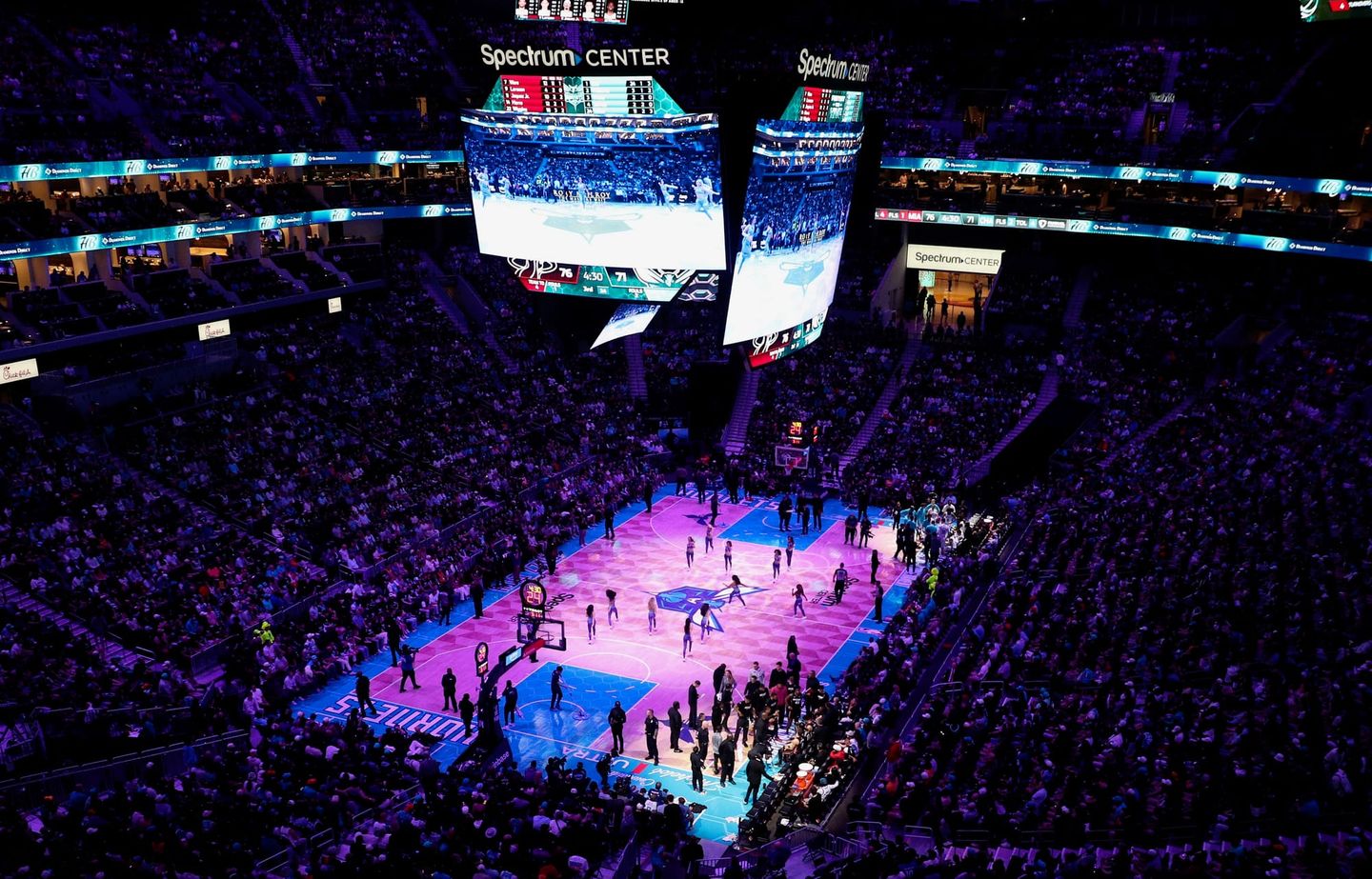
One of the oldest continuous stadium Wi-Fi networks just leaped to the front of the technology class, after the recent installation of a new Wi-Fi 7 deployment at the Spectrum Center, home of the NBA's Charlotte Hornets.
For one of the first pro-size arena deployments of Wi-Fi 7 technology, the Hornets leaned on their venue title sponsor, advanced-communications service provider Spectrum (a division of Charter Communications Inc.), for a 550-AP refresh that replaced a 7-year-old Wi-Fi 5 network inside the approximately 20,000-seat arena.
According to Hornets Sports & Entertainment chief information officer Ronnie Bryant, the new network continues to rely on equipment from Ruckus Networks, a company whose technology has been used in the arena since 2012. With the new network already operational, Bryant said the Hornets are continuing their heritage of using the best technology available to keep the organization's "fan-first focus" running strongly, with improved connectivity, faster ticketing and speedier concession transactions all part of the benefits package.
Putting the finishing touches on an arena-wide upgrade
The new Wi-Fi 7 network, which Bryant said was financed by the team and by Spectrum, is separate from but still caps off the recent $245 million overall stadium refresh, which saw major renovations of almost everything inside the walls, from seating and concourse design and bigger LED panels to new concession stands and back-of-house infrastructure. According to Bryant, part of the refresh included new seats in the lower bowl and new premium seating areas, which required a full redesign of the venue's under-seat Wi-Fi infrastructure.
The jump from Wi-Fi 5 technology to Wi-Fi 7 opens up the use of the wide chunks of available 6 GHz spectrum, which Bryant said should result in 4x speed increases for average upload and download measurements. With new twin 10 Gbps backbone feeds (replacing older 1-Gbps lines) Bryant also said there is more capacity and faster speeds available for ticketing and concession operations, which both will use the new Wi-Fi infrastructure.
The new network, Bryant said, "gives us a lot more flexibility" when it comes to locating concession kiosks and mobile stands. Fans, he said, should have no problems anymore with advanced social-media tasks like streaming live video.
"The main focus is that for fans, employees, artists and media, the experience is exceptional," Bryant said.
Ruckus keeps venue-market pace with Wi-Fi 7 and hyper-directional antennas
The customer-retention win for Ruckus in Charlotte is a vote of confidence for the company's technology, which has continued apace even as the corporate structure of Ruckus has been somewhat fluid of late. Ruckus, which had been a part of CommScope when that company acquired Ruckus parent Arris International in early 2019, became part of a holding company called Vistance when CommScope broke apart its divisions early this year.
Then in July, cabling concern Belden Inc. acquired the Ruckus business from Vistance for $1.85 billion, to "make Belden a preeminent provider of complete, end-to-end IT/OT networking solutions," according to a press release about the deal.
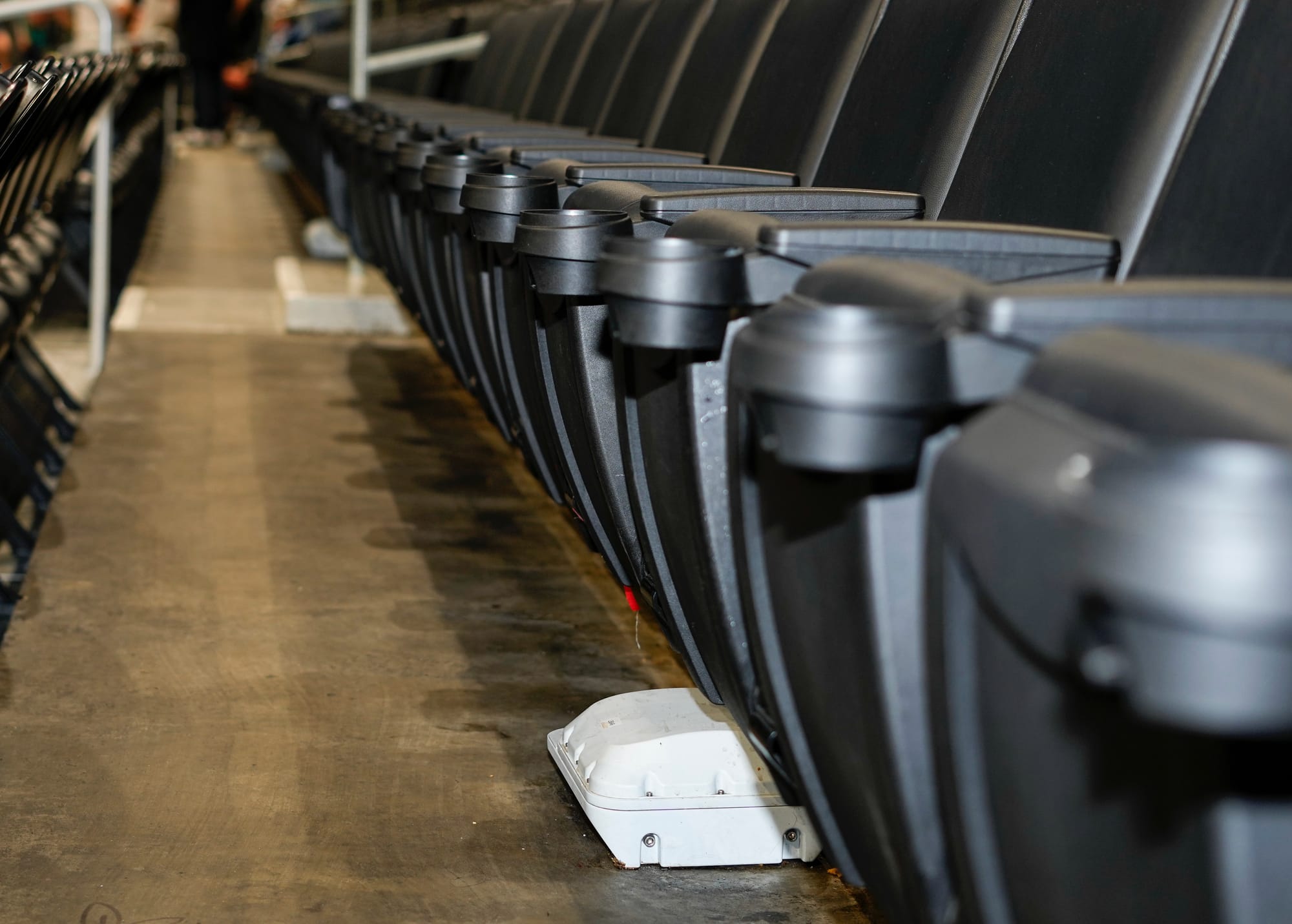
Bryant, who has been with the Hornets since the team launched its first stadium-wide Wi-Fi network in 2005, remembers the Hornets having to help Ruckus jointly develop a Wi-Fi antenna for venues in 2012, when the idea was still in industry infancy. Now, the new network is making use of advanced technology like the Ruckus T670 Wi-Fi 7 hyper-directional access point, which can be configured to support narrow beam coverage for high-density areas.
Though it trails industry leaders Cisco, HPE Aruba and Extreme Networks in numbers of venue deployments, Ruckus has scored some recent new deals for stadiums, including Wi-Fi 7 installations at the Oakland Arena (former home of the Golden State Warriors) and at BMO Stadium, home of Major League Soccer's Los Angeles Football Club.
Looking to the future
Being able to look back to the beginning of stadium Wi-Fi gives Bryant a lot of perspective, with the knowledge that today's impressive upgrade is only just another starting point for the future. In a recent podcast episode with Sean Callanan of Sports Geek, Bryant looked ahead to a time when artificial intelligence technology might "fully customize the fan experience," making it even better than it is today.
Now with a system that supports Internet-of-Things sensors to measure devices like restroom soap and towel dispensers in real time, Bryant marvels at how far stadium networks have come and where they're headed.
"We now have iPads in suites, to let people order food and change the televisions, and far more IoT devices than we had years ago," said Bryant, who compares it with the 80-AP design the Hornets started out with. "The transformation has been remarkable."